A Windy Autumn Afternoon in a Harbour Town
Plan a windy autumn afternoon in a harbour town with sheltered streets, warm indoor pauses, and practical ways to enjoy the changing light.

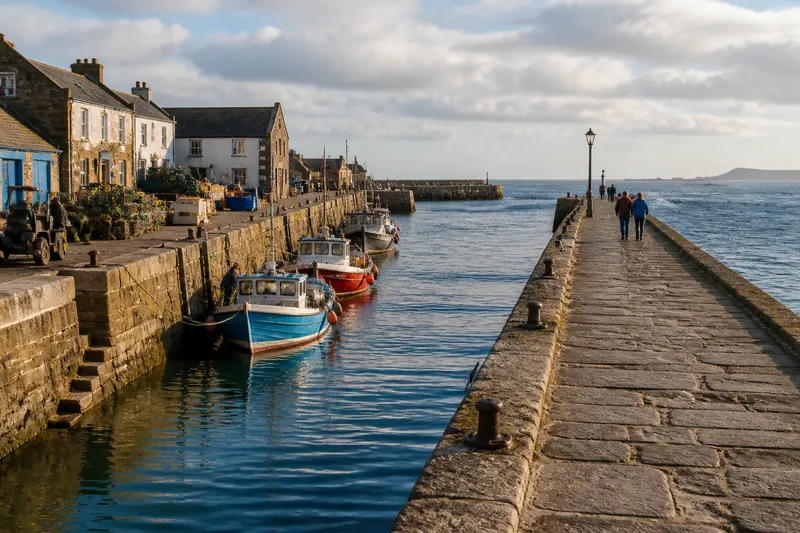
A windy autumn afternoon in a harbour town can be more rewarding when you read the weather through the town’s working details, not just its waterfront view. Start near the quay and notice what the wind changes: the angle of a vessel’s lines, a shopkeeper securing an awning, or the moment a gull turns away from the gusts.
What can the harbour tell you about the wind?
Harbour activity gives a useful, local sense of changing conditions. Watch from a public place as flags shift, boats move against their moorings, and people adjust doors or outdoor displays. These observations do not replace a forecast or posted harbor instructions, but they can help you decide whether to linger by the water or head into town.
Look for signs that the waterfront is exposed without treating them as a challenge. Spray crossing a quay, loose items blowing about, or difficulty standing comfortably are reasons to move away from the edge. Keep clear of working areas, mooring lines, loading spaces, and any place marked restricted. A harbour is a workplace as well as a view.
How can you read a harbour town through its autumn routines?
Follow the ordinary movement between the waterfront and the streets behind it. A fishmonger bringing in a display, a delivery van pausing near a shop, or people carrying groceries home can show how the town fits around the harbour. Watch without blocking a doorway or interrupting anyone’s work.
Autumn details often appear in the way buildings meet the weather. Look for deep-set doors, shutters, covered passages, or windows turned toward the water. A lane may reveal a glimpse of masts, then open onto a small square where the wind feels different. Let these details shape what you notice rather than treating every turn as a route to the next attraction.
Imagine you arrive with a paper town map, a rain jacket, and an hour before dusk. You see spray on the outer quay and hear rigging tapping against a mast, so you skip the exposed edge. You walk past the fish stalls while they are closing, pause under a covered arcade, then return along a lane where the boats show between rooftops. The result is a short outing shaped by the harbour’s activity, with no need to force a waterside walk.
What details are worth noticing near the quay?
Look at how boats sit in the water and how ropes and fenders are arranged, but observe from public paths and keep a respectful distance. Notice the sounds, too: rigging against a mast, a gull calling over the quay, or a door rattling in the wind. Together, these small cues make the harbour feel specific to the day.
Buildings can tell a quieter story. A salt-marked window, a painted sign, or a repaired section of stone hints at the ongoing care a coastal place needs. Avoid touching equipment or entering sheds, yards, and private spaces. The view is better when the people who use the harbour can carry on without visitors in the way.
How do you choose a comfortable place to pause?
Pick a café, covered market, maritime museum, or public gallery that is open to visitors. Check the venue’s own sign or listing before you rely on it, especially in the quieter season. A brief pause gives you a chance to warm your hands and consider what the weather is doing without turning the afternoon into a race between indoor stops.
If the first place is closed or crowded, choose another clearly public venue or continue along a sheltered street. Do not assume a doorway, private lobby, or working shed is available as shelter. Keep your map accessible, and know how to return to a familiar street or transport stop.
What should you check before changing your plans?
Are the harbour paths open to visitors?
Check local signs and harbor notices before walking toward a quay or pier. If a route is closed or marked for workers, stay on the public street network and choose a view from there.
Is the wind making the waterfront uncomfortable?
Notice whether you can walk and stand securely without leaning into gusts or avoiding flying spray. If not, move inland and enjoy the harbour from a sheltered lane, window, or public indoor space.
Will the light last for a short waterside stop?
Look at the sky from town and choose a nearby public viewpoint if conditions seem comfortable. If daylight is fading or the weather is worsening, skip the exposed stop and return by a familiar route.
Is a planned venue open?
Check the venue’s posted hours rather than assuming its seasonal schedule. If it is closed, select another clearly public place or make the pause a brief stop in a sheltered street.
What helps you stay comfortable on a blustery walk?
- Check the forecast before leaving; if strong gusts are expected, keep the outing close to town, and if conditions are calmer, consider a short public waterfront visit.
- Look for harbor closure signs; if a path is restricted, stay on open streets, and if it is clearly open, follow the marked route.
- Notice spray or loose objects near the quay; if either is crossing the path, move inland, and if the route is clear, remain behind any marked safety boundary.
- Check whether a café or museum is open; if it is closed, choose another public venue, and if it is open, use it for a short warm-up.
- Wear a wind-resistant jacket and shoes with dependable grip; if paving is wet or uneven, slow down and avoid slick edges, and if the route is dry, continue at a comfortable pace.
- Keep your phone or camera secured; if gusts make handling it awkward, put it away, and if conditions feel steady, take a quick picture from a safe public spot.
A hooded jacket is often easier to manage than an umbrella in gusty weather. Bring only what suits a town walk, and leave room in your plan to turn back or skip the quay if the conditions change.
How can you finish the afternoon without rushing?
End near a familiar street, a transport stop, or the place where you began. Before setting off, check the route back and notice whether daylight is fading. If the waterfront still feels comfortable, take a short look from a public path; otherwise, let the town’s shop windows, covered passages, and harbour glimpses provide the last scene.
For a windy autumn afternoon in a harbour town, the most useful plan is one that leaves room for the place to speak on its own terms. Watch the working harbour from a respectful distance, keep access notices in view, and let the changing weather decide how close you get to the water.